From August 19 to 23, AperData appeared at WRC 2026 together with AI² Robotics. AI² Robotics connected models, robot bodies, and scenarios through AlphaBrain and AlphaBot, while AperData presented its embodied data foundation. Together, they demonstrated a closed loop for embodied intelligence that spans real-world scenarios, data, models, and robot embodiments.
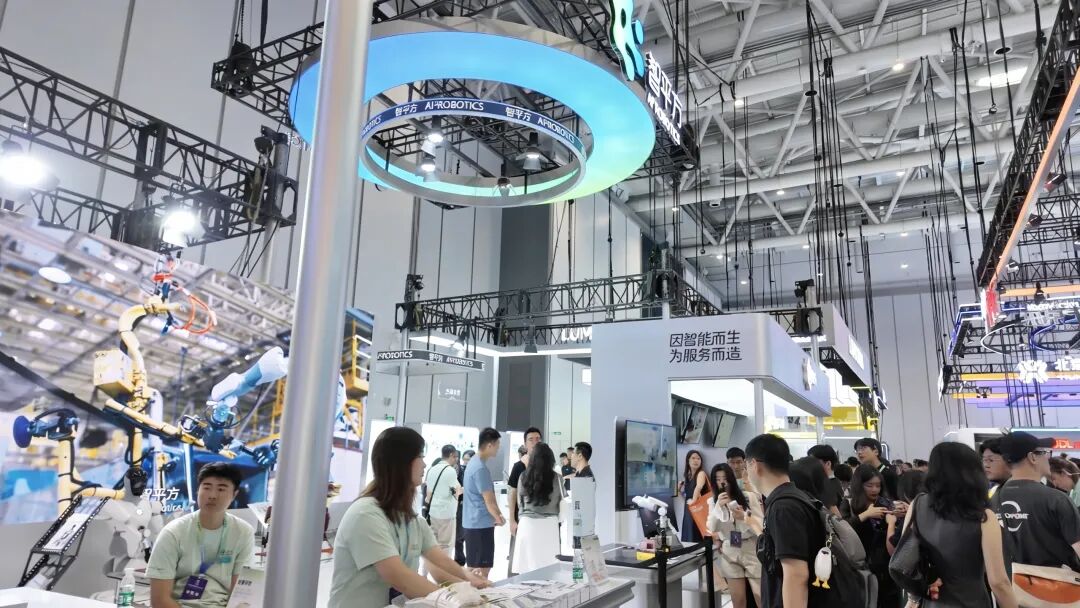
AperData WRC highlight debut
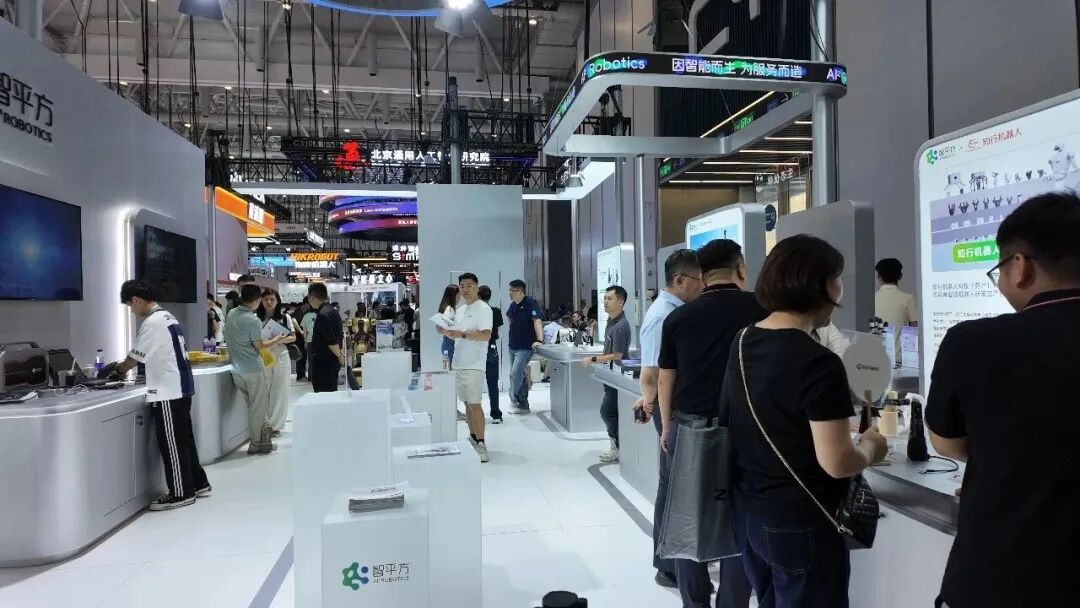
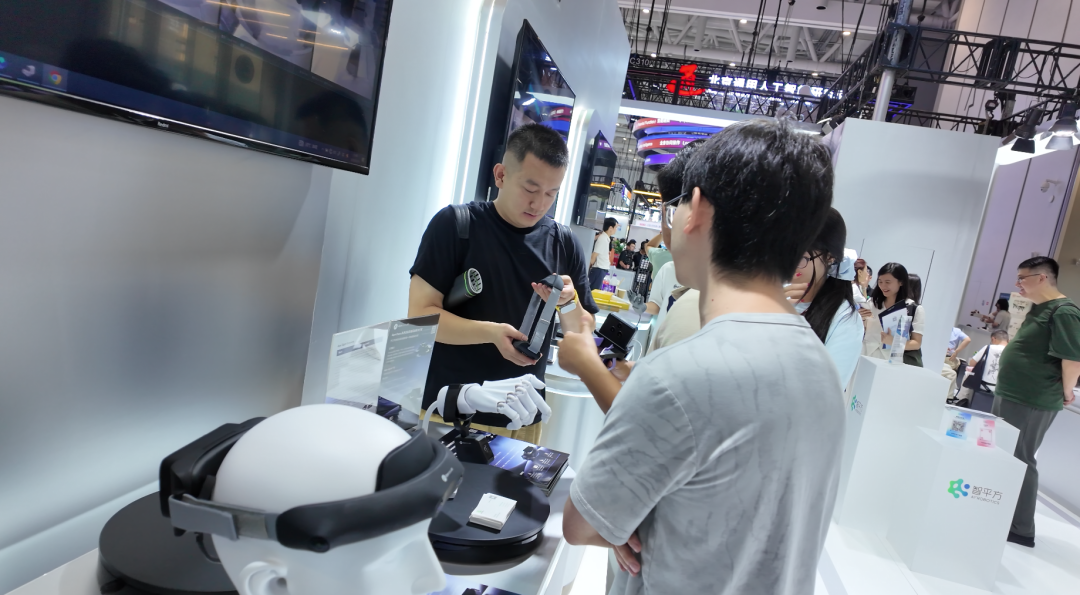
With its integrated software-hardware advantages and an introductory price of RMB 5,100 per set, AperData quickly became a focal point at the event, attracting large numbers of industry visitors for hands-on experience and discussion.
The newly launched standard four-camera panoramic head-mounted acquisition device, AperEgo 4, received strong recognition for wearing comfort, data-acquisition quality, and ease of operation. At the same time, its seamless connection with AperOS forms a complete data-production chain, giving on-site users an intuitive sense of the major efficiency gains compared with traditional teleoperation-based collection methods.
In addition to AperEgo 4, the exhibition also featured AperEgo 2, a two-camera head-mounted acquisition device; AperWrist, a wrist-mounted first-person acquisition terminal; and AperFinger, a multimodal pinching two-finger non-translational intelligent gripper. Together, these products cover the complete first-person data-acquisition workflow.
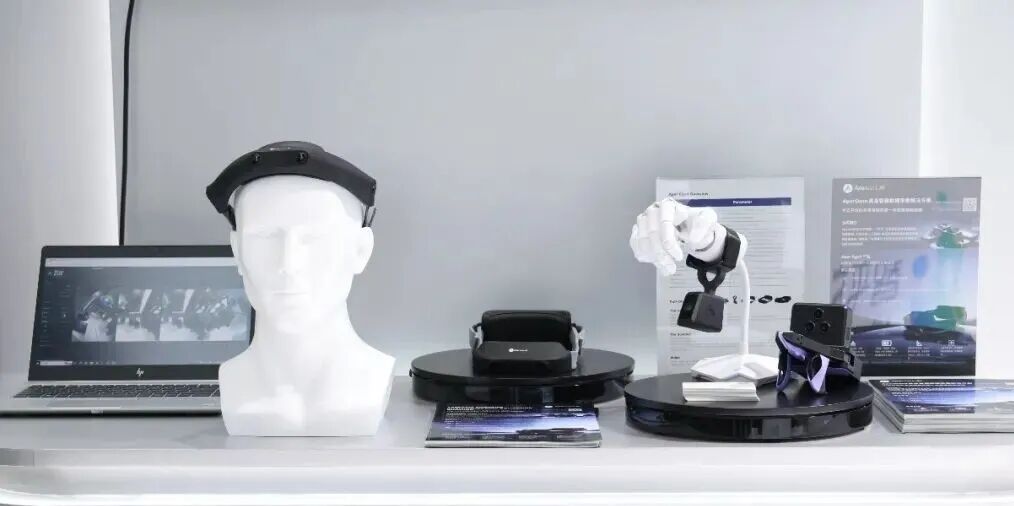
Compared with AperEgo 4, AperEgo 2 focuses on extreme portability and stronger cost performance, making it purpose-built for mobile acquisition scenarios.
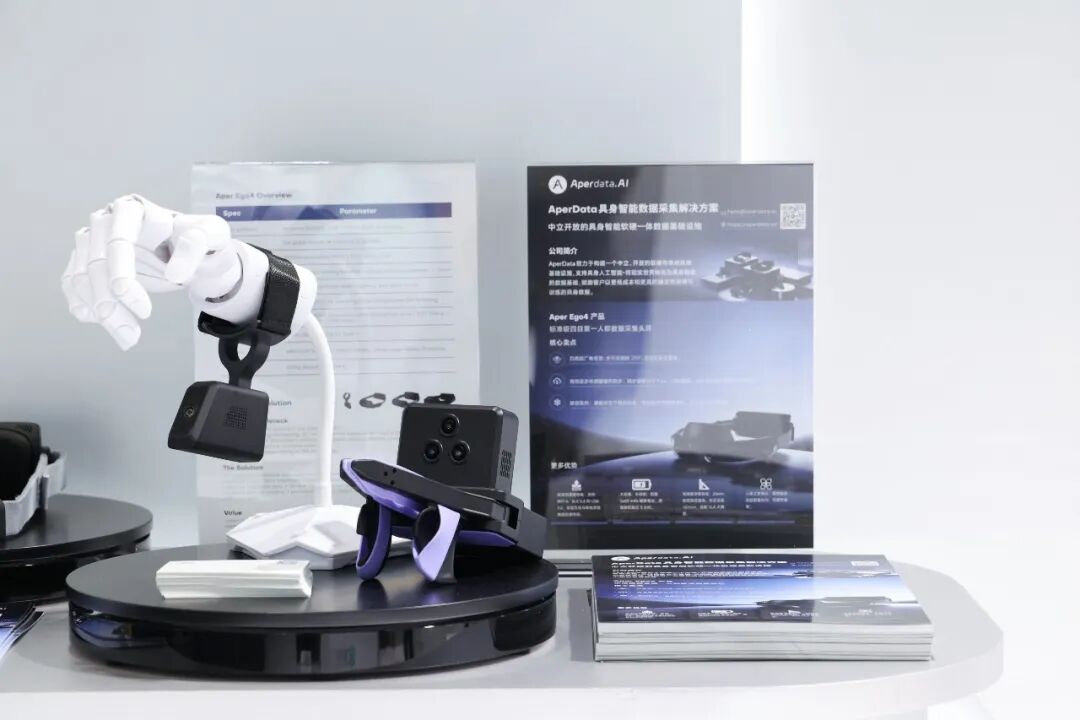
AperWrist is worn on the wrist to capture the full process of hand operations. It can output microsecond-level synchronized multimodal raw data for world-model training, human-action reproduction, and production-line SOP digitization. AperFinger, the multimodal pinching two-finger non-translational gripper, integrates six acquisition dimensions: vision, depth, inertia, pose, force, and audio. It independently completes synchronized multimodal data acquisition across the full gripping process.
Keynote: Breaking Through the Data Bottleneck in Embodied Intelligence
During the WRC forum, Hu Yuming, Director of Strategic Ecosystem at AperData, delivered a keynote speech titled “Visual Infrastructure for the Physical AI World,” focusing on the newly released AperData embodied data foundation and its technological breakthroughs in robotic vision.
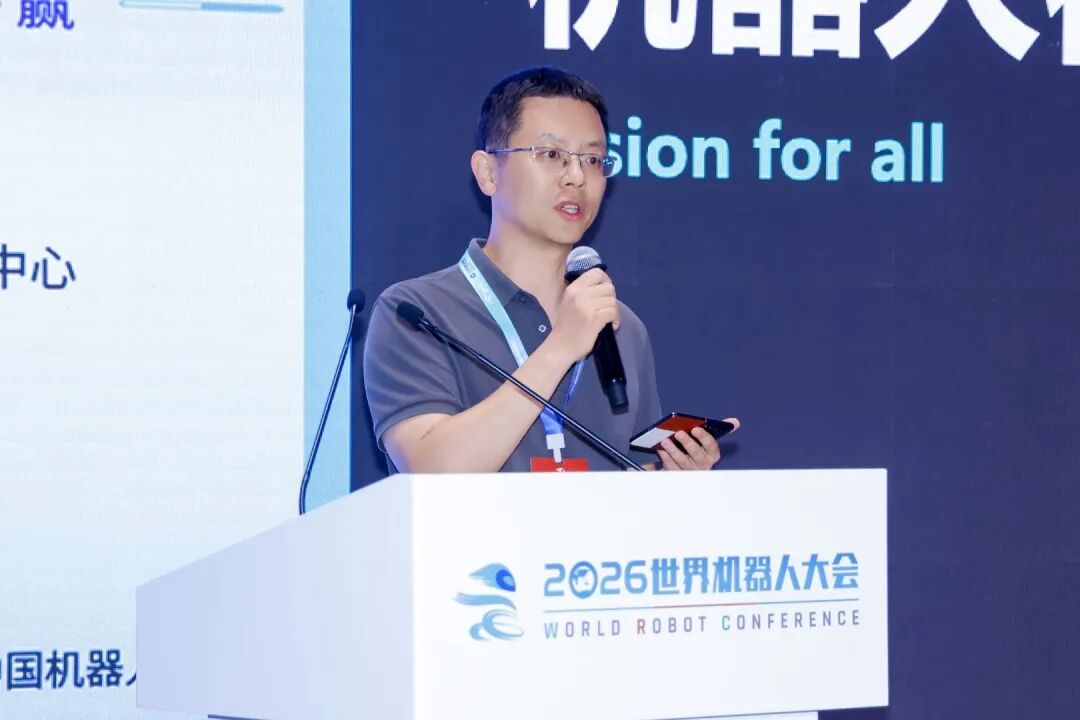
He noted that for robots to truly learn how to “use their hands” – making coffee, picking parts, or navigating an entire venue – they must first have “seen” real human operations in the physical world. Yet real-world materials, lighting, occlusion, and long-tail operations are difficult to collect. At the same time, vision, IMU, tactile, force, and audio signals must be precisely aligned at the microsecond level before they can be fed into models.
AperData was created to break through this data bottleneck. Its integrated end-to-end software-hardware acquisition solution allows embodied-intelligence teams to produce multimodal data that can be directly used for model training without building hardware and data pipelines from scratch. It makes real-world data immediately usable for robot training, greatly improving the efficiency of valuable data production while reducing costs. This is also a key reason why AperData surpassed 10,000 units in first-launch orders only two days after its official release, quickly gaining scaled demand recognition from the industry.
At the same time, AperData's positioning as a neutral third-party product fully safeguards user data security and enables upstream and downstream users to collaborate efficiently on the same infrastructure, allowing data to become a shared capability that connects all parties across the industry.
In the next stage, AperData will continue to strengthen real-time quality control on the device side, identifying image abnormalities, wearing-position offsets, and quality issues earlier at the endpoint. It will also establish cloud coordination between edge-side preliminary screening and in-depth diagnosis, driving data production from being guided by manual experience toward being guided by system intelligence, and making the real world the data foundation for embodied intelligence.